This guide brings together the most important food safety information for home sausage makers. While it does not replace good hygiene and safe working practices, it provides a convenient reference for temperatures and storage recommendations you'll use regularly.
Safe Storage Temperatures
| Storage | Recommended Temperature | Notes |
|---|---|---|
| Refrigerator | 0–4°C | Keep meat and finished sausages well chilled. |
| Freezer | -18°C or colder | For long-term storage. |
| Working Temperature | Below 10°C whenever possible | Helps maintain texture and improves food safety. |
Recommended Internal Cooking Temperatures
| Product | Internal Temperature | Notes |
|---|---|---|
| Fresh Pork Sausages | 72–75°C | Cook until fully heated throughout. |
| Chicken & Turkey Sausages | 75°C | Always verify with a food thermometer. |
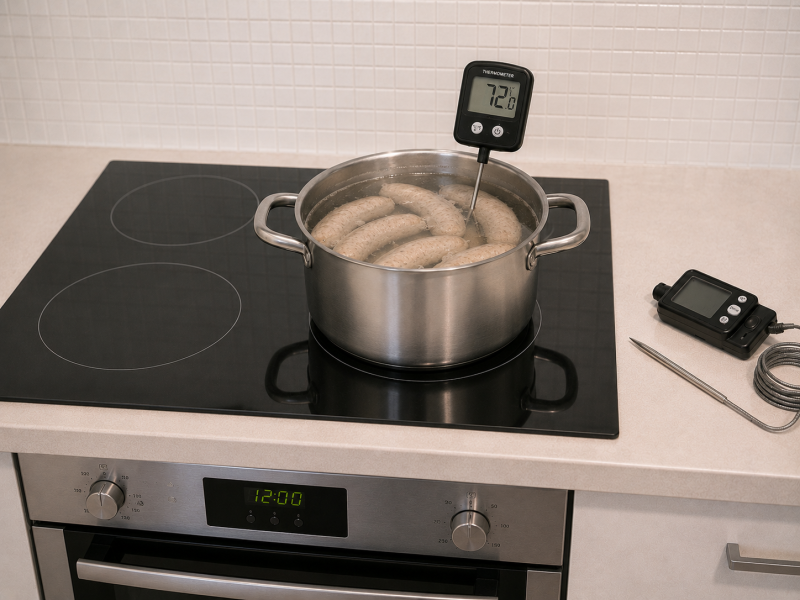
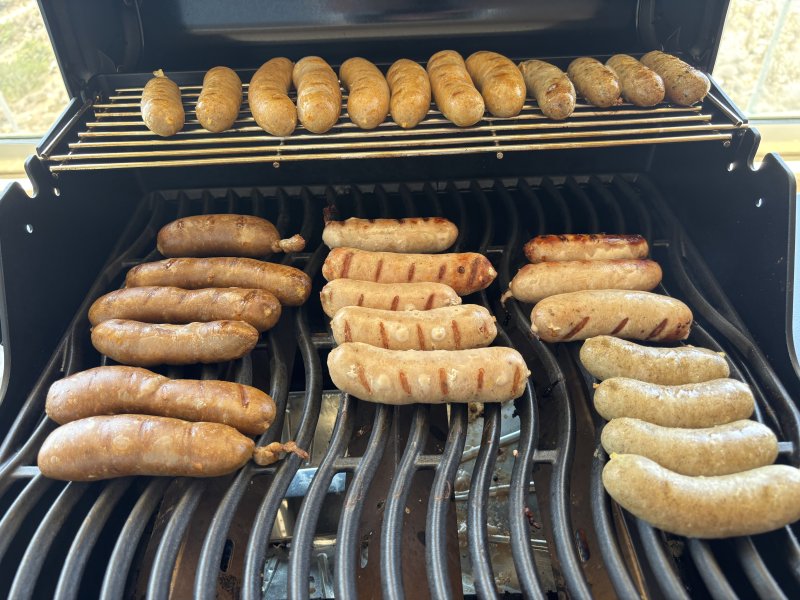
| Cooked (Poached) Sausages | 75°C | Suitable for immediate consumption or cooling before grilling. |
| Reheating Cooked Sausages | 75°C | Ensure the centre is thoroughly reheated. |
Typical Refrigerator Storage
| Product | Recommended Storage |
|---|---|
| Fresh Raw Sausages | 1–2 days |
| Cooked Sausages | 3–4 days |
| Vacuum-Sealed Cooked Sausages | Up to 1 week* |
*Always use your judgement. If a product shows signs of spoilage or has been stored incorrectly, discard it.
Typical Freezer Storage
| Product | Recommended Storage |
|---|---|
| Fresh Sausages | Up to 3 months |
| Cooked Sausages | 3–6 months |
| Smoked Sausages | 3–6 months |
| Vacuum-Sealed Products | Often longer while maintaining quality. |
Remember
These recommendations are intended as general guidance for home sausage makers. Always follow local food safety regulations, use fresh ingredients, maintain good hygiene and, when in doubt, discard any product that appears spoiled or has been stored incorrectly.
Dieter's Tip
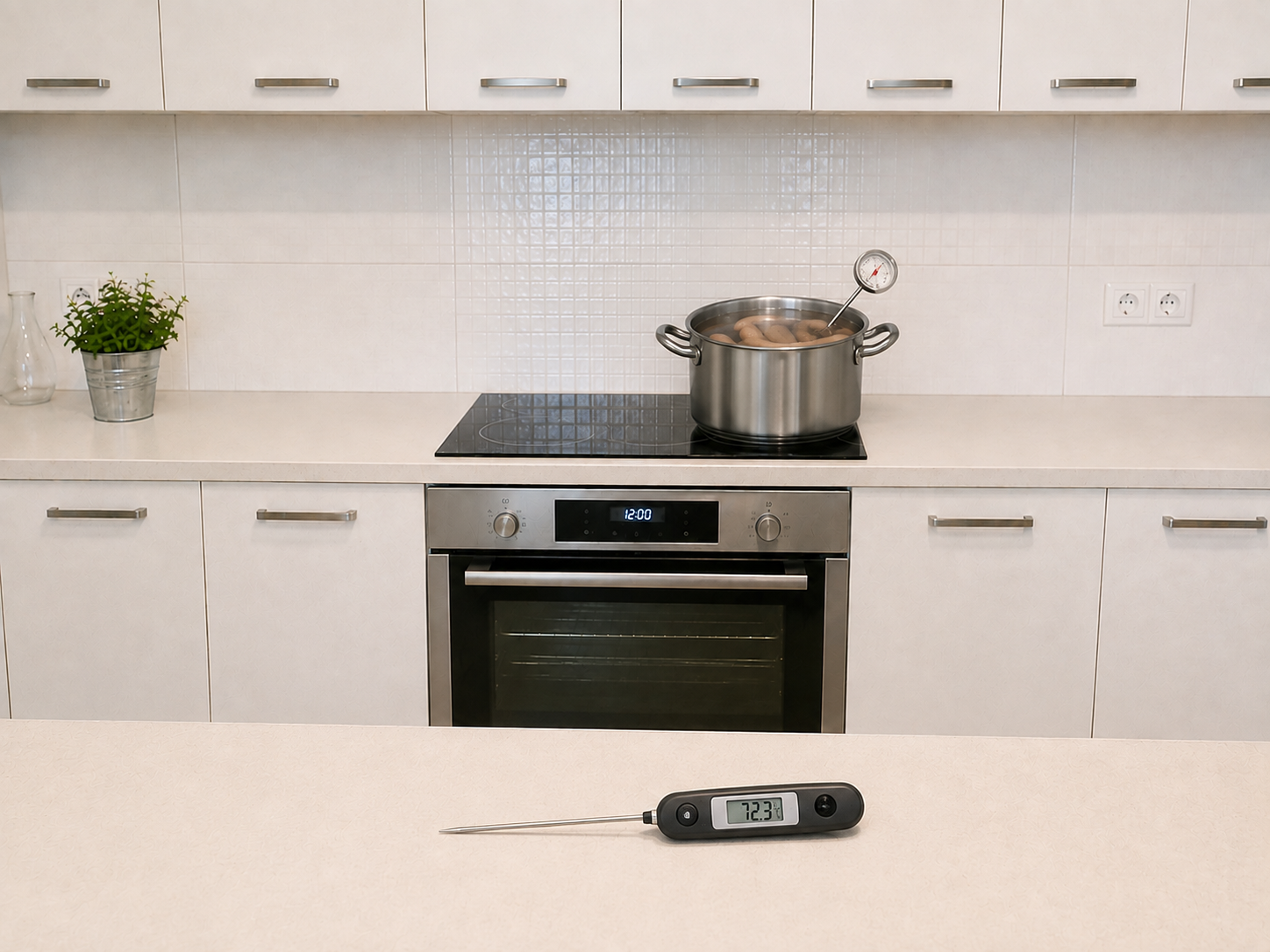
A digital food thermometer is one of the best investments you can make. It removes the guesswork from cooking, helps prevent overcooking and ensures your sausages are cooked safely every time.