One of the biggest secrets to making excellent homemade sausages has nothing to do with expensive equipment or complicated recipes. It starts with choosing the right meat.
Good-quality meat provides the flavour, texture and moisture that make a sausage enjoyable. Even the best seasoning can't compensate for poor-quality ingredients, so it's worth taking a little time to understand what you're buying.
Fresh Meat is Always Best
Whenever possible, choose fresh meat from a trusted butcher or supermarket. The meat should look fresh, smell clean and have a natural colour. Avoid meat that appears dull, grey or excessively wet.
If you're buying packaged meat, always check the use-by date and make sure it has been kept properly chilled.
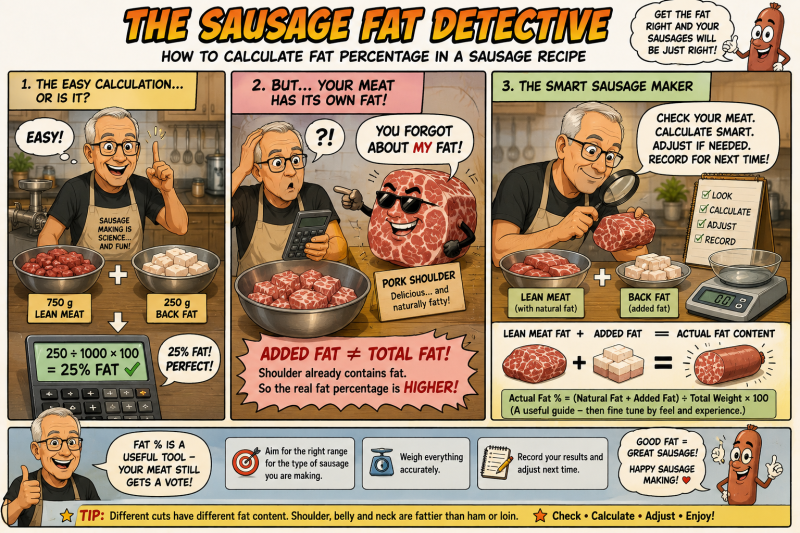
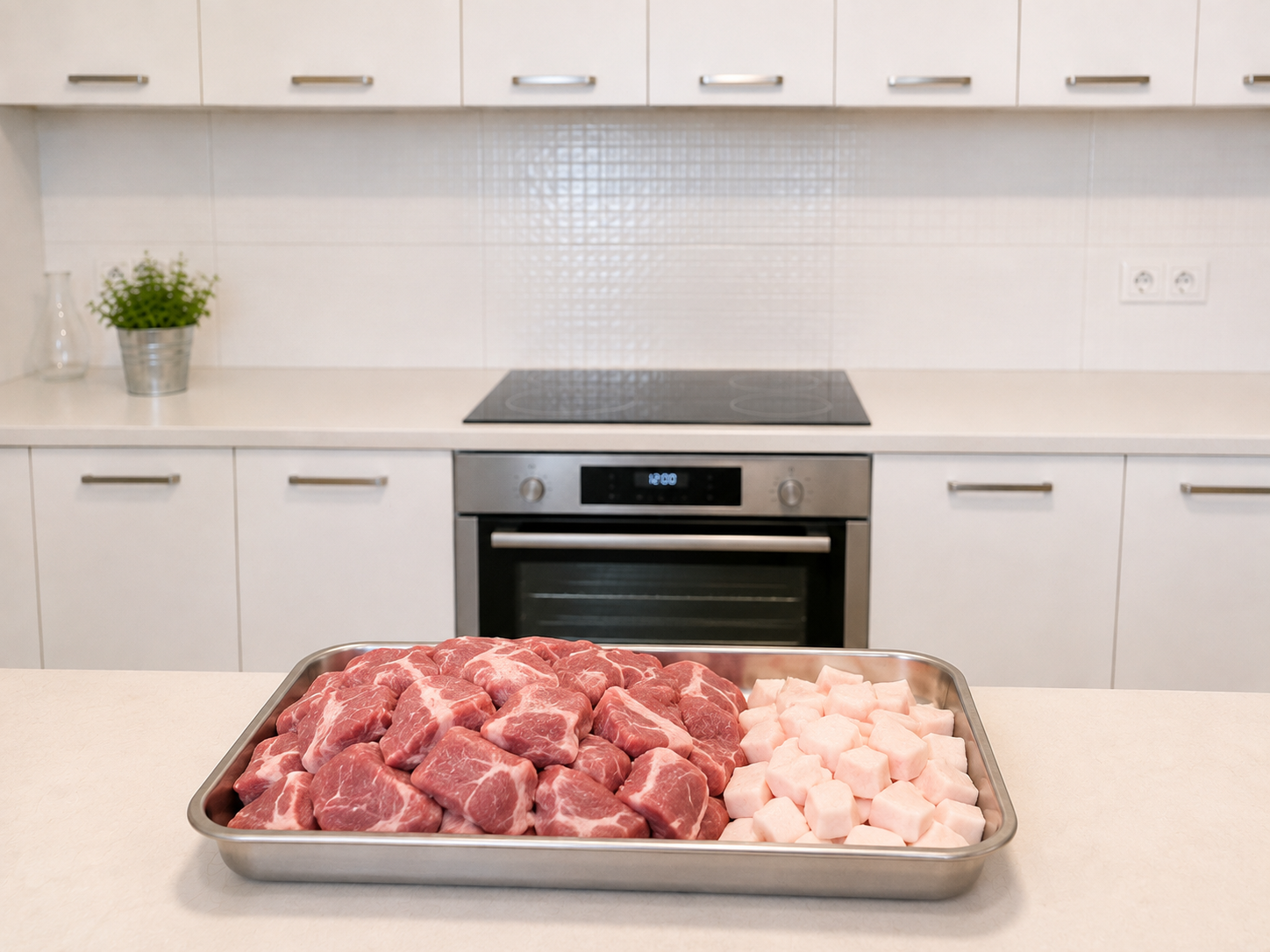
Lean Meat and Fat Work Together
A good sausage needs both lean meat and fat. Lean meat provides flavour and structure, while fat keeps the sausage juicy and tender.
Many beginners try to make very lean sausages, believing they will be healthier. Unfortunately, sausages with too little fat often turn out dry and lack the rich texture that makes homemade sausages so enjoyable.
For most fresh sausages, a fat content of around 20–30% produces excellent results.
Choosing Pork
Pork is the most commonly used meat for sausage making because of its flavour, versatility and natural fat content.
Excellent cuts include:
- Pork shoulder
- Pork neck
- Pork belly (for richer sausages)
- Pork back fat for adjusting fat content
Choosing Beef
Beef adds a deeper, richer flavour and is often combined with pork in many traditional recipes.
Choose well-marbled cuts such as chuck or brisket. Very lean beef can make sausages firm and dry unless additional fat is added.
Chicken and Turkey
Poultry produces lighter sausages but naturally contains less fat than pork. Chicken thighs are usually a better choice than chicken breast because they provide more flavour and remain juicier after cooking.
If necessary, additional pork back fat can be added to achieve the desired texture.
Don't Be Afraid to Ask Your Butcher
A good butcher can often recommend suitable cuts or prepare them for you. Don't hesitate to explain that you're making sausages at home. Most butchers are happy to help and may even suggest cuts that offer excellent value.
Quality Over Price
The most expensive cut isn't always the best choice for sausage making. Many traditional recipes use economical cuts that become outstanding sausages because they contain the right balance of lean meat, connective tissue and fat.
Learning to choose the right meat is one of the most valuable skills you'll develop as a home sausage maker. Start with good ingredients, follow reliable techniques and you'll already be well on your way to making delicious homemade sausages.
Quick Reference: Choosing the Right Meat
| Meat | Best Cuts | Typical Use | Notes |
|---|---|---|---|
| Pork | Shoulder, neck, belly | Fresh, smoked and cooked sausages | The most versatile choice with an excellent balance of lean meat and fat. |
| Beef | Chuck, brisket | Mixed-meat sausages, salami | Rich flavour. Often combined with pork for improved texture. |
| Chicken | Thighs | Fresh and poached sausages | Juicier and more flavourful than chicken breast. |
| Turkey | Thighs | Fresh sausages | Leaner than chicken and often benefits from added pork back fat. |
| Lamb | Shoulder, leg | Mediterranean and Middle Eastern recipes | Distinctive flavour that pairs well with herbs and spices. |
| Game | Venison, wild boar | Specialty sausages | Very lean meat that usually requires additional pork fat. |
Dieter's Tip
Choose meat for its balance, not its price. Many of the world's best sausages are made from economical cuts such as pork shoulder or beef chuck. What matters most is freshness, the right amount of fat, and careful preparation.